
Sell power plant equipment.
We buy generator step-up, station service and auxiliary transformers and switchyard equipment from retiring plants.
Sell equipment from your project.
Pennsylvania Electrical Transformer Buyers purchases electrical equipment made available during power plant retirements and teardowns. We consider generator step-up transformers, station service and auxiliary transformers, and switchyard gear that owners or authorized sellers plan to release. Plant schedules may depend on turbine hall work, switchyard salvage, and environmental remediation milestones. An early equipment inventory and realistic access information can help frame a potential sale while those separate project activities move forward.
Equipment and project considerations
Plant retirement can involve multiple work zones, contractors, utility interfaces, and environmental obligations. Confirm the seller’s authority to transfer each asset, the components included, and when the equipment can be released without interfering with remaining plant systems. Qualified electrical personnel must handle isolation and de-energization. Provide available oil and PCB records for applicable units, and arrange any assessment or documentation required by law or the site’s environmental plan. Consider whether remediation milestones, containment areas, crane access, or demolition sequencing limit pickup. Large transformers may require engineered rigging and transport planning by qualified parties; dimensions, weights, route restrictions, and loading responsibilities are essential. Freight coordination is subject to an agreed sale.
Generator step-up transformers
A generator step-up transformer connects generation equipment to a higher-voltage system and can be one of the heaviest assets released during retirement. Share its MVA rating, voltage ratings, cooling arrangement, approximate weight, and whether major components remain attached. Identify any available maintenance and oil records. Explain where the unit sits, when it can be released, and what qualified rigging and loading arrangements the site has planned.
Station service and auxiliary transformers
Station service and auxiliary transformers supply plant loads and may remain needed after generation has stopped. Confirm with the responsible site personnel when each unit can be isolated and released, rather than assuming all equipment is available at plant shutdown. Separate units by location and rating, and note whether they are oil-filled or dry-type. Clear identification helps distinguish sale candidates from equipment supporting ongoing site operations.
Turbine hall teardown sequencing
Auxiliary electrical equipment may be located inside a turbine hall where demolition work changes access over time. Describe the equipment’s position, doorway and floor limitations, overhead obstructions, and the intended path to a loading area. Tell us whether walls, adjacent machinery, or demolition activities affect the release window. The seller’s qualified contractors should determine the rigging and electrical work; the purchase inquiry should reflect their planned sequence.
Switchyard gear and salvage boundaries
Switchyard salvage may produce customer-owned transformers, breakers, and other electrical gear, but ownership and release boundaries can be complex. Identify the equipment included in the proposed sale and any utility-owned or retained assets nearby. Provide ratings, matching sections, available condition information, and the expected access window. The appropriate utility and qualified electrical personnel must address switching, isolation, and other electrical work before equipment is released.
Environmental milestones and heavy-unit logistics
Remediation work, containment areas, and heavy-haul restrictions can affect when a transformer is available and how it can leave the plant. Share the relevant site milestones, known weights and dimensions, loading location, road restrictions, and any available oil and PCB documentation. Environmental assessment or remediation remains with the responsible parties. Qualified riggers and carriers must evaluate the move; freight coordination can be discussed as part of an agreed sale.
Details to share for an offer
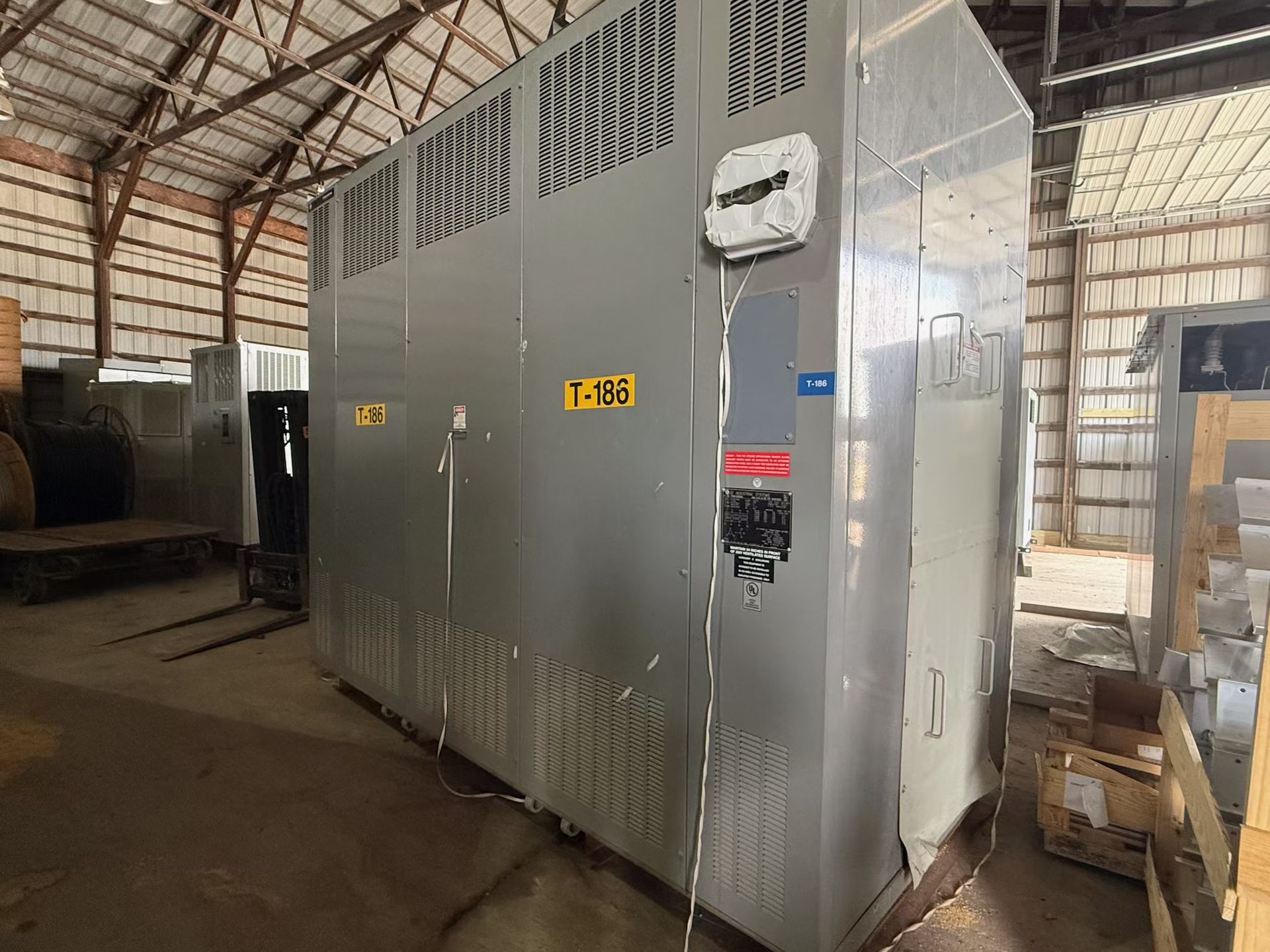
Provide an asset list, safe exterior and nameplate photos, manufacturer, model, kVA or MVA, voltage ratings, cooling type, condition, and approximate transport weight and dimensions. Identify the generator step-up, station service, auxiliary, or switchyard equipment being offered and note whether bushings, radiators, or other components are included. Share available oil and PCB records, the expected release window, site access restrictions, and the party responsible for rigging and loading. Nameplate photos do not replace legally required assessment, testing, or documentation.
Selling locally.
Have equipment to sell?
Share a few details and photos. We will review your equipment and discuss a cash offer.